iGaming | 7 November 2026
You've probably noticed your social feeds filling up with flashy casino ads or heard a friend brag about a big sports bet. iGaming—the umbrella term for online casinos, sports betting, poker rooms, and more—is booming. But beneath the neon lights and bonus promises lies a complex ecosystem where entertainment meets risk. Whether you're a curious newcomer or a seasoned player looking to sharpen your edge, this guide cuts through the hype and gives you a grounded look at what actually matters.
Understanding the iGaming Landscape
iGaming covers any gambling activity conducted over the internet. That includes:
- Online casinos – slots, table games like blackjack and roulette, and live dealer options.
- Sports betting – wagering on everything from football to esports, often with in-play markets.
- Poker – cash games, tournaments, and sit-and-gos across dozens of variants.
- Other verticals – bingo, lottery-style games, and virtual sports.
The global market was valued at over $80 billion in 2023 and shows no signs of slowing. But that growth brings a flood of operators—some legit, some shady. So how do you separate the signal from the noise? For up-to-date information, visit slot mahjong.
Licensing and Regulation: Your First Filter
Reputable operators hold licenses from jurisdictions like the UK Gambling Commission, Malta Gaming Authority, or the Kahnawake Gaming Commission. These regulators enforce fair play, audit random number generators (RNGs), and require responsible gambling tools. If a site doesn't clearly display its license, walk away. Fast.
One more thing: not all licenses are created equal. A Curacao license, for example, offers less player protection than a UK or MGA license. Do a quick check before you deposit a cent.
Slots: The Engine of the Casino Floor
Slots are the undisputed king of online casinos, accounting for roughly 70% of all casino revenue. They're also the most misunderstood. Let's break down what actually matters when you spin.
RTP, Volatility, and Hit Frequency
Every slot has a Return to Player (RTP) percentage—the theoretical amount returned to players over millions of spins. A 96% RTP means the house edge is 4%. But don't expect to get 96 cents back on every dollar. RTP is a long-term average.
Volatility (or variance) tells you how often and how much a slot pays. Low volatility slots pay small amounts frequently; high volatility slots pay rarely but can hit huge. If you have a small bankroll, high volatility slots will eat you alive. Match volatility to your budget and risk appetite.
Hit frequency is the percentage of spins that result in a win (of any size). A slot with 20% hit frequency wins once every five spins on average. Combine that with volatility to get the full picture.
Bonus Features That Actually Matter
Free spins, expanding wilds, and multipliers are standard. But some features are more valuable than others. Look for slots with:
- Sticky wilds – they stay in place for multiple spins, boosting win potential.
- Retriggerable free spins – you can add more spins during the bonus round.
- Progressive jackpots – a portion of each bet feeds a growing prize pool. Just know the odds are astronomical.
Also check the max win—some slots cap at 5,000x your stake, while others allow 50,000x or more. That cap affects the risk-reward balance.
Poker: Skill Over Luck, But Still a Grind
Poker is the only iGaming vertical where long-term winners exist. That's because it's a game of skill disguised as a game of chance. But don't mistake that for easy money.
Bankroll Management: The Unsexy Secret
Even the best poker players go broke without proper bankroll management. The standard rule: never buy into a cash game with more than 5% of your dedicated poker bankroll. For tournaments, it's 2% or less. If you have a $1,000 bankroll, your max cash game buy-in is $50. That feels conservative, but it protects you from variance—the inevitable downswings that wipe out undisciplined players.
Also, separate your poker bankroll from your living expenses. If you're playing with rent money, you've already lost.
Game Selection and Table Dynamics
You don't have to be the best player in the world; you just need to be better than the other players at your table. That's why game selection matters more than advanced strategy for most players.
Look for tables with a high percentage of players seeing the flop (loose games) and low aggression (passive games). Those are the most profitable. Avoid tables full of short stacks and tight players—you'll bleed blinds with no action.
Tools like Holdem Manager or PokerTracker can track your stats and help you spot leaks. But beware: some sites ban third-party software. Always check the terms.
Sports Betting: Where Information Is Currency
Sports betting has exploded thanks to mobile apps and in-play markets. But it's not just about picking winners. The margin between profit and loss is razor-thin.
Understanding the Vig (Juice)
Every bet has a built-in commission called the vig or juice. On a standard -110 point spread bet, you risk $110 to win $100. That $10 is the sportsbook's cut. To break even, you need to win 52.4% of your bets. To profit, you need to hit 55% or more consistently. That's harder than it sounds.
Line shopping—comparing odds across multiple sportsbooks—can add 1-2% to your long-term ROI. Over hundreds of bets, that's significant. Always have accounts at three or four reputable books.
Bankroll and Unit Sizing
Treat sports betting like investing. A common approach is to bet 1-2% of your bankroll per play. If you have $2,000, your standard bet is $20-$40. This keeps you in the game during losing streaks.
Also, avoid parlays unless you're chasing a lottery-style payout. The house edge compounds with each leg, making them a suckers' bet in the long run.
Responsible Gambling: The Non-Negotiable
iGaming is entertainment, not a retirement plan. If you're not having fun, stop. Set deposit limits, time limits, and loss limits before you play. Every regulated site offers these tools. Use them.
Warning signs of problem gambling include chasing losses, lying about your play, and betting more than you can afford. If you recognize these, take a break. Resources like GamCare and Gamblers Anonymous are there for a reason.
Final Thoughts
iGaming offers a spectrum of experiences—from mindless slots to chess-like poker duels. The common thread? Knowledge is your best edge. Understand the math, manage your bankroll, and never bet what you can't afford to lose. The house always has an edge, but with discipline, you can at least make your money last longer and enjoy the ride. And who knows? You might just walk away a winner.






























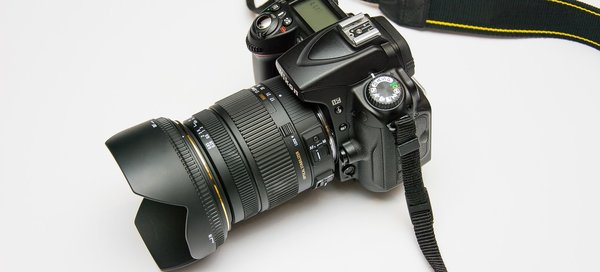






The best raptor shots rarely come from chasing birds — they come from reading the landscape and being ready before the action starts.
Alice Rose
Sep 20, 2026 at 3:12 pm